Trucking is one of the hardest jobs in America, and the people doing it know that better than anyone. With a growing driver shortage now compounded by federal enforcement actions shrinking the eligible CDL pool, keeping the drivers you have has never mattered more. Replacing a single truck driver costs an average of $11,500, and major carriers still see annual turnover rates above 90%. The math is clear: retention is the most cost-effective investment a fleet owner or manager can make right now.
The good news? Research has long confirmed that people stay where they feel satisfied, valued, and supported. Whether you're running a large fleet, a small operation, or working as an owner-operator, these strategies will help you build a team and a work life worth staying for.
Sometimes the answer really is that straightforward. If drivers know they can earn more somewhere else for the same work, they won't have many reasons to stay put. But today's drivers want more than a high base rate, they want clarity and consistency. Pay-per-mile guarantees, transparent pay models, and performance-based bonuses all build financial trust. Drivers who understand exactly how their paycheck is calculated and can count on it arriving correctly are far less likely to look elsewhere.
Competitive compensation also reduces financial stress at home, which has a direct impact on focus and performance on the road.
2. Pay Drivers Faster
For many trucking companies, driver pay is tied to when the company gets paid — 30, 60, or even 90 days after job completion. For most drivers, that timeline simply doesn't work with real-world bills. Offering faster pay cycles, earned wage access, or direct deposit with shorter lag times removes a major source of driver frustration and financial anxiety. When drivers can reliably meet their obligations, they're less likely to jump ship for a company that offers a quicker payout.
3. Keep Trucks Comfortable and Reliable
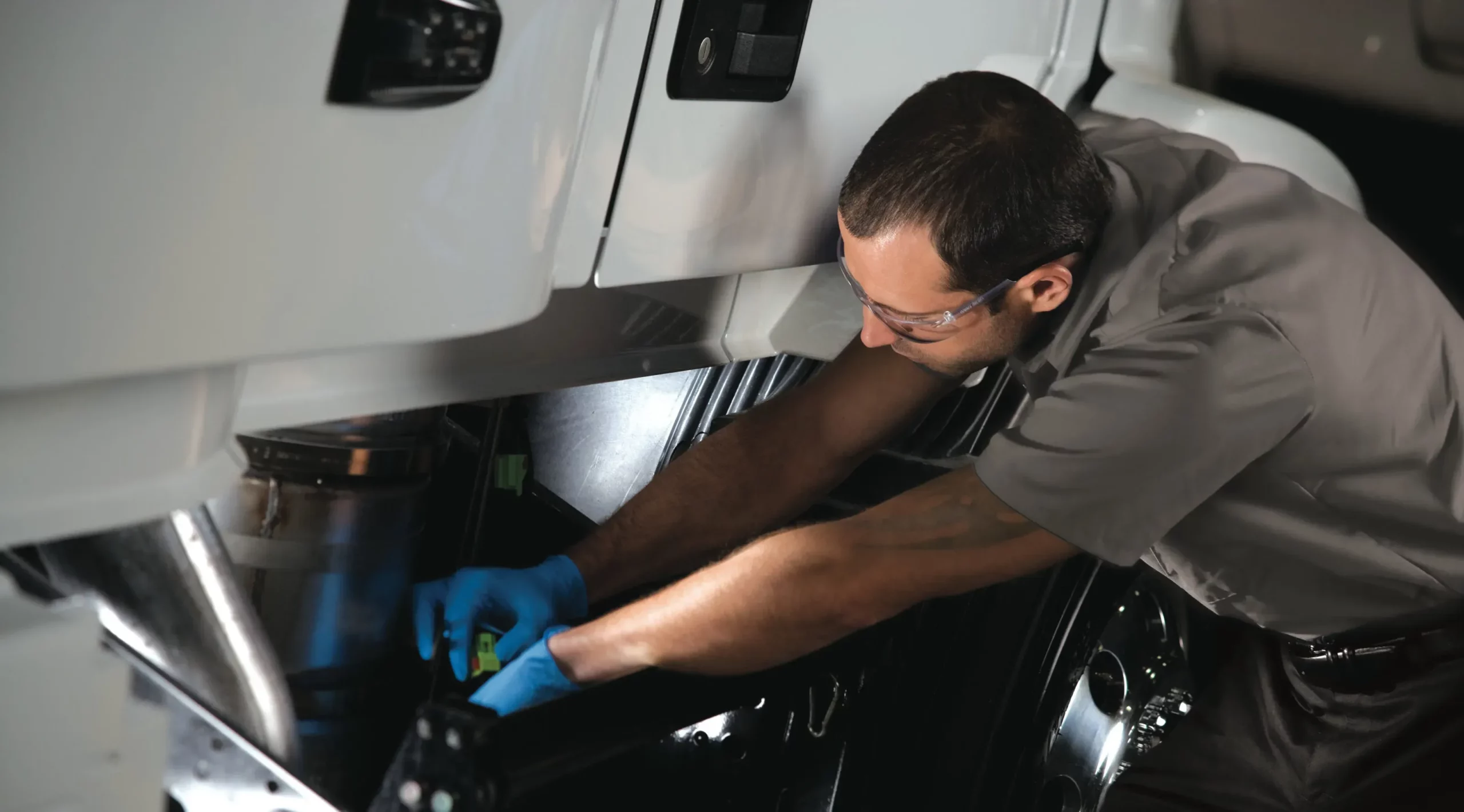
Driving for hours on end is demanding enough. Add in worn-out seats, poorly designed controls, and frequent breakdowns, and you have a recipe for burnout. If new equipment isn't in the budget, strategic comfort upgrades and a solid preventive maintenance program can make a significant difference. Work with service teams who know which upgrades have the highest impact on driver comfort and fatigue — it's often small changes that matter most.
Drivers increasingly expect trucks that are safe, well-maintained, and equipped with technology that supports them rather than complicates their day. Equipment quality signals whether a company respects its drivers.
Ready to upgrade your fleet? Sometimes the best investment in driver retention is new equipment. Browse our new truck inventory to find rigs built with driver comfort and reliability in mind.
4. Build Predictable Schedules and Real Home Time
Today's drivers, especially younger ones, are choosing regional, dedicated, and local routes over long-haul runs specifically for the predictability and work-life balance. Missed home time is one of the fastest ways to lose driver trust, especially when it was promised during hiring.
For fleet managers: build home time into scheduling as a priority, not an afterthought. For owner-operators: regular downtime isn't a luxury — it's maintenance for your body the same way preventive service is maintenance for your truck. Skipping home time leads to burnout, health issues, and the kind of fatigue that causes serious problems at the worst times.
The drivers staying longest in 2026 are the ones who can plan their lives outside the cab.
5. Improve Communication — Before, During, and After Every Run
Good communication is one of the highest-impact, lowest-cost retention tools available. Drivers who feel ignored, out of the loop, or disrespected by dispatch are far more likely to leave. On the other hand, drivers who feel heard and supported develop a strong sense of loyalty even when they could earn slightly more elsewhere.
Practical improvements: provide clear, complete route and schedule information upfront. When issues arise on the road, make sure drivers have fast access to someone who can actually help. And when drivers bring concerns or feedback, build a real process for acting on it, then communicate back what changed. Drivers who see their input taken seriously become some of your most committed advocates.
6. Cultivate Loyalty Through Consistency and Trust
Pay raises get drivers in the door. Loyalty is what keeps them there. Loyalty is built through one thing above all else: keeping your word. Clear communication, realistic commitments, and following through on promises, creates the mutual trust that makes drivers want to stay.
Breaking promises — about home time, routes, pay, or equipment — is one of the fastest paths to losing drivers. In an era where online reviews and peer recommendations allow drivers to compare companies instantly, your reputation for honoring commitments matters more than ever.
7. Invest in Driver Recognition Programs
Every driver wants to feel seen. Simple recognition programs — safety bonuses, milestone awards, employee-of-the-month acknowledgments, or even a shoutout in the company newsletter — can have an outsized impact on morale and retention. Drivers who receive positive reinforcement are more likely to maintain safe behavior, take pride in their work, and feel connected to the company.
Recognition doesn't have to be expensive. It has to be genuine and consistent.
8. Support Mental Health and Wellness
The isolation of long-haul trucking is real, and the industry is increasingly acknowledging its impact. Drivers who feel mentally and emotionally supported are more likely to stick around. This can look like access to an Employee Assistance Program (EAP), mental health resources, or simply a management culture where drivers feel comfortable talking about struggles without fear of judgment.
Wellness support also extends to the physical: encouraging regular rest, realistic scheduling that allows for proper sleep, and avoiding pressure to push through unsafe fatigue levels. Drivers who feel cared for as whole people, not just as production units, stay longer.
9. Provide Growth Opportunities and Career Development
Truck driving doesn't have to feel like a dead-end job, and companies that communicate a real career path see higher retention. Younger drivers consistently rank advancement opportunities and ongoing feedback higher than pay alone.
Growth can mean formal training programs, mentorship from experienced drivers, opportunities to move into specialized routes or equipment, or pathways into dispatch and operations. When drivers see a future with your company, the lure of competitor sign-on bonuses loses a lot of its pull.
10. Equip Trucks with Driver-First Technology
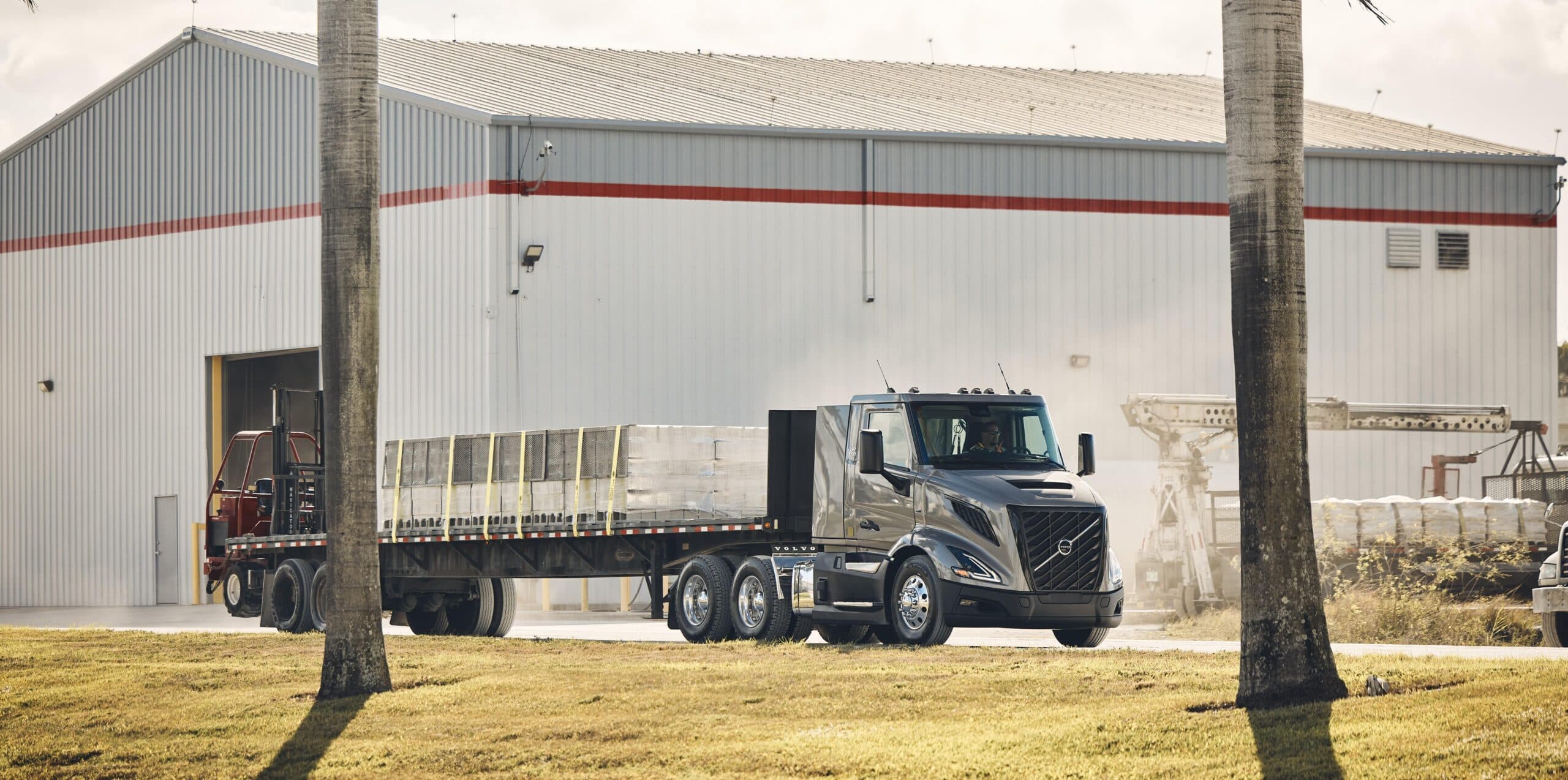
When it's time to replace or upgrade equipment, today's new trucks make the case for themselves. The all-new Mack Pioneer and Anthem feature premium seating with available heating, cooling, and massage, advanced HVAC, and the Mack Protect ADAS suite with automatic emergency braking and blind spot detection. The redesigned Volvo VNL and all-new VNR bring Volvo Dynamic Steering to reduce driver fatigue, an available Camera Monitor System for better visibility, and up to 10% better fuel efficiency. Drivers who operate well-equipped, modern trucks feel that the company invests in their experience. If you're weighing an upgrade, our current inventory is a good place to start.
The Bottom Line
Driver retention in 2026 is about pay, creating predictability, respect, and a sense that the company genuinely values the people behind the wheel. Fleets that get this right reduce turnover, lower costs, improve safety outcomes, and build the kind of reputation that makes recruiting easier too.
Start with one or two changes, gather driver feedback, and build from there. Small, consistent improvements compound into a work environment where drivers actually want to stay.
Frequently Asked Questions
What is the average truck driver turnover rate? Many large truckload carriers experience annual turnover rates exceeding 90%, meaning nearly as many drivers leave as are hired each year. This makes retention strategies one of the highest-ROI investments a fleet can make.
How much does it cost to replace a truck driver? The industry average cost to replace a single driver is approximately $11,500, factoring in recruiting, onboarding, training, and lost productivity during the transition.
What do truck drivers want most from employers in 2026? Research shows drivers prioritize predictable pay, reliable home time, honest communication, well-maintained equipment, and feeling respected and valued — often above the highest possible paycheck alone.
Why is driver retention harder in 2025–2026? Federal enforcement actions including Drug & Alcohol Clearinghouse CDL downgrades, non-domiciled CDL restrictions, and English language proficiency enforcement are actively reducing the pool of eligible drivers. This "capacity crunch" makes retaining current qualified drivers more critical — and more cost-effective — than ever.
What's the fastest way to improve truck driver retention? The quickest wins typically come from improving communication, paying drivers faster, and honoring scheduling commitments around home time. These changes cost little but signal respect — and that's what keeps drivers loyal.