Welcome to TEC Equipment's all-encompassing guide to semi-trailers.
This guide is designed to cater to both beginners in the trucking industry and seasoned professionals. We aim to provide you with valuable insights into:
A semi-trailer is a specialized type of trailer that is towed by a tractor unit or a semi-truck. It's a crucial component of the logistics industry, facilitating the transportation of goods and materials over long distances. A semi-trailer differs from a full trailer in that it lacks a front axle and relies on the tractor unit for support and propulsion.
Key components of a semi-trailer include:
Frame: The structural backbone of the trailer, typically made of steel to withstand heavy loads.
Axles and Wheels: Several axles and wheels distribute the weight evenly, ensuring stability while the semi-trailer is in motion.
Suspension System: Helps absorb shocks and vibrations, ensuring a smooth ride for the cargo.
Braking System: Connected to the tractor unit, it allows the driver to slow down or stop the trailer when necessary.
Body: The cargo-carrying section of a semi-trailer, which can be either enclosed or open, depending on the type of goods being transported.
Semi-trailers come in a variety of sizes and configurations to accommodate different types of cargo, such as dry goods, refrigerated goods, or bulk materials. They play a vital role in the supply chain, enabling efficient and reliable transportation of goods across the country.
Exploring Different Types of Semi-trailers
The world of semi-trailers is diverse, with various types designed to cater to different transportation needs. There are four common types of trailers: flatbed trailers, dry van trailers, refrigerated trailers, and vocational trailers.
Flatbed Trailers
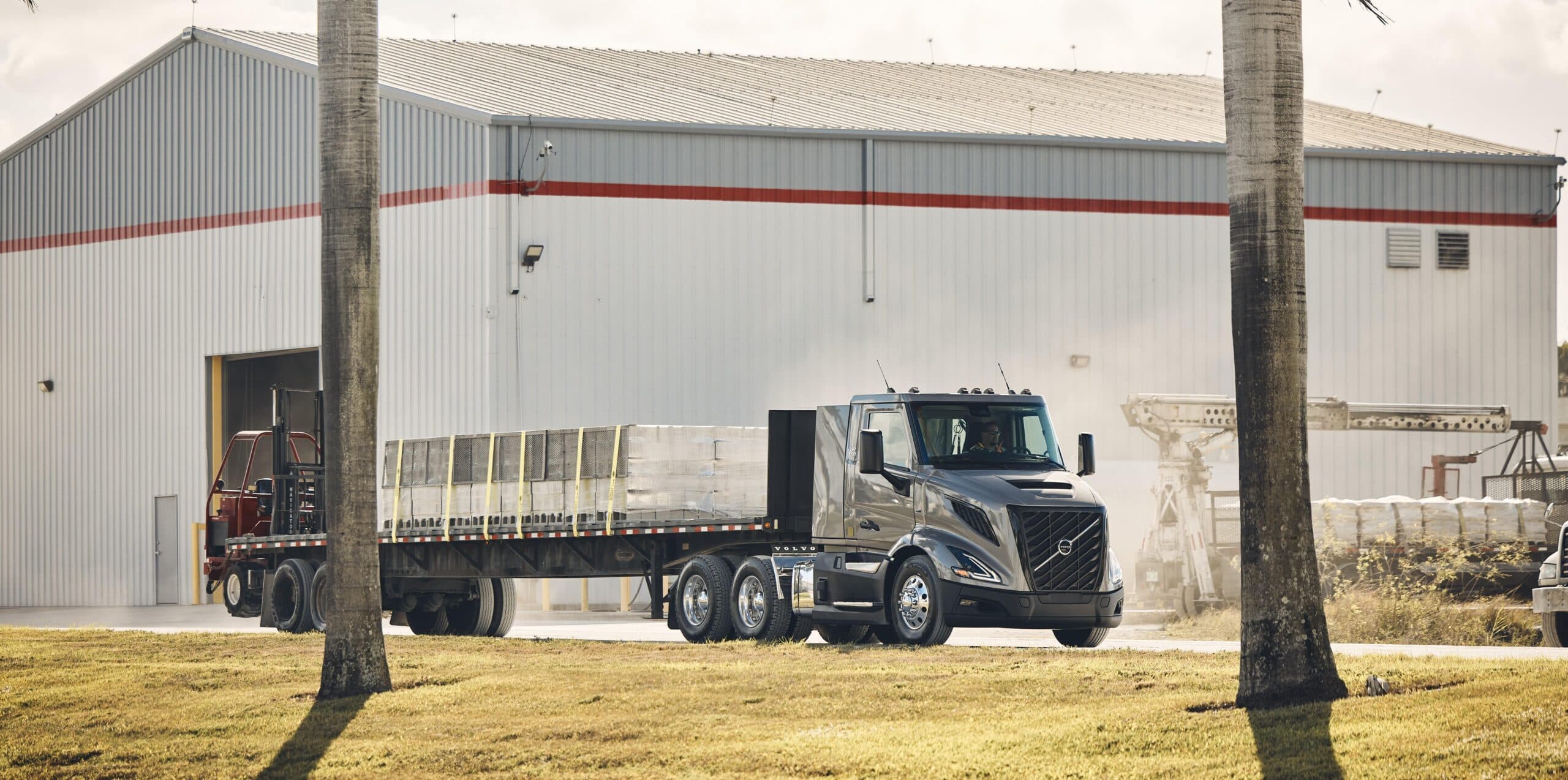
Flatbed trailers are versatile and widely used in the logistics industry. They consist of a flat, open deck with no walls or roof, which facilitates easy loading and unloading of goods from any side. Flatbed trailers are commonly used for transporting large and heavy items such as construction materials, machinery, and vehicles.
Dry van trailers provide a secure and weatherproof environment for transporting goods. These trailers have walls and a roof, protecting the cargo from external elements and potential theft. Dry vans are commonly used for transporting sensitive or valuable goods like electronics, furniture, or pharmaceutical products.
Refrigerated trailers, or 'reefers', are designed to transport perishable goods at controlled temperatures. These trailers are equipped with a cooling system that maintains a consistent temperature throughout the journey, preserving the freshness and quality of the cargo. Refrigerated trailers are essential for transporting food products, pharmaceuticals, and other temperature-sensitive items.
Vocational trailers cater to specific industries or applications with unique transportation requirements. These trailers are designed to handle specialized cargo or equipment, making them indispensable in various sectors such as construction, agriculture, and energy. Vocational trailers can include dump trailers for hauling bulk materials like gravel or soil, tanker trailers for transporting liquids such as fuel or chemicals, and utility trailers for carrying equipment and tools to job sites.
At TEC Equipment, we provide a wide range of semi-trailers from top brands like Wabash, BWS, and MAC Trailer. Whether you need a flatbed, a dry van, a refrigerated trailer, or a vocational trailer, our team is committed to offering top-quality trailers that are reliable, durable, and efficient.
Choosing the Right Semi-trailer
Selecting the right semi-trailer is a critical decision that can significantly impact your operations, ensuring efficiency, safety, and cost-effectiveness. Here are a few factors to consider when choosing your trailer:
Type of freight: The first factor to consider is the type of freight you plan to haul, as different trailers are designed to accommodate specific types of cargo. If you need to haul cargo that needs to be protected from the elements, a dry van is the way to go. However, if you’re hauling an oversized load with large dimensions, a flatbed is the right choice. Understanding your specific hauling requirements will help you determine the most suitable trailer type.
Weight Capacity: It's vital to ensure that the chosen trailer can handle your cargo's weight without being overloaded, which can lead to safety hazards and potential damage to your goods. Compliance with local regulations and weight limits is also essential to avoid legal complications.
Axle Type: The axle type determines the trailer’s weight capacity and stability, making it crucial for transporting your cargo safely. For lighter loads, single axle trailers are great because they are generally more maneuverable and easier to tow. For heavier cargo, multiple axles are needed to distribute the weight evenly, providing better stability and preventing strain on the trailer and towing vehicle.
Loading and Unloading: Loading and unloading processes are also important to consider, as certain trailers may have features that facilitate these operations.
Other Factors: Other factors include the trailer's durability, maneuverability, and compatibility with your existing fleet. It's crucial to choose a trailer that can withstand the demands of the road, is easy to handle, and integrates seamlessly with your current equipment.
Key Specifications of Semi-trailers
Semi-trailers come in various dimensions and weight limits, each designed to meet specific transportation needs. Understanding these two specifications are crucial when selecting the right trailer for your business: dimensions and weight limits, and payload capacity.
Dimensions and weight limits of semi-trailers:
In the United States, semi-trailers typically adhere to standard dimensions to ensure compatibility with highways and loading docks. The maximum legal length for a semi-trailer is 53 feet, with a maximum width of 8.5 feet. The height limit is usually about 13.5 feet. These limits ensure compliance with transportation regulations and safe passage.
Weight limits vary depending on the type of trailer and the number of axles. A standard tandem axle trailer can typically carry up to 40,000 pounds of cargo. However, individual states may have specific weight restrictions, making it essential to consult local regulations to ensure compliance.
Payload capacity of semi-trailers:
The payload capacity refers to the maximum weight of cargo a semi-trailer can carry. This capacity is determined by subtracting the trailer's tare weight from its gross vehicle weight rating (GVWR). For example, if a trailer has a GVWR of 80,000 pounds and a tare weight of 20,000 pounds, its payload capacity would be 60,000 pounds.
Considering the payload capacity when selecting a semi-trailer is critical to avoid overloading, which can lead to safety hazards, fines, and potential damage to the trailer or goods being transported.
Maintaining Your Semi-trailer: Essential Tips
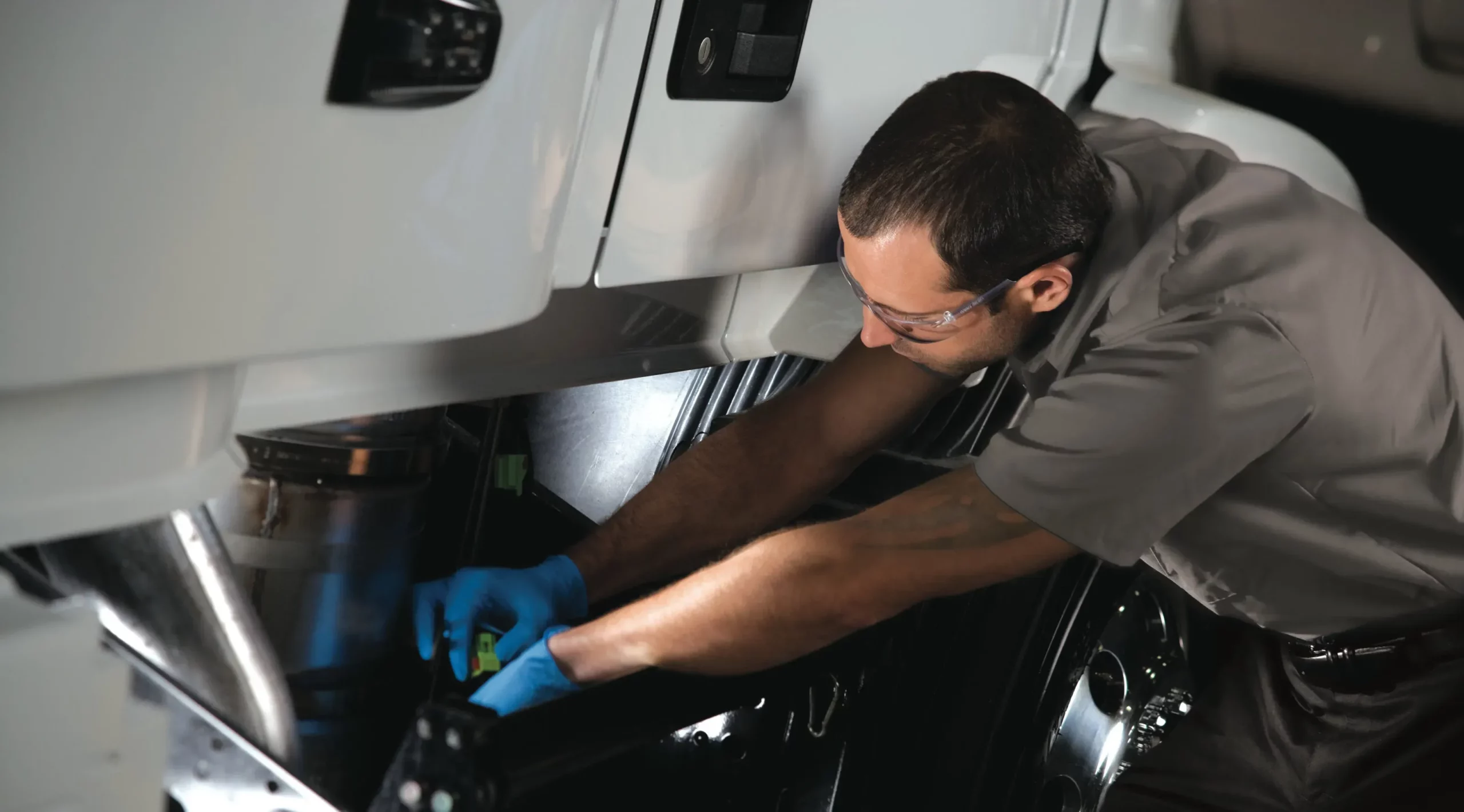
Conduct regular inspections of your semi-trailers, including checking the tires for wear and correct inflation, inspecting the brakes for signs of damage or wear, and examining the lights and electrical system to ensure they are functioning properly.
Routine maintenance, such as oil and filter changes, greasing moving parts, and checking and replacing any worn-out parts, is also essential. Regular maintenance not only enhances the performance of your trailers but also helps identify potential issues before they turn into major problems.
Ensure cargo is secure during loading and unloading, using straps, chains, or other appropriate restraints. Distribute the weight evenly to maintain balance and stability. Adhere to weight limits and avoid overloading the trailer as it can affect handling and braking capabilities.
Follow proper loading and unloading procedures. Use equipment such as dock plates or ramps for a smooth transition between the trailer and the loading dock. Train your employees on safe loading and unloading techniques, including handling hazardous materials if relevant.
By following these maintenance and safety tips, you can keep your semi-trailers in optimal condition, reduce the risk of accidents, and protect your drivers and cargo.
Why Choose TEC Equipment for Your Trailer
With over 48 years of industry experience, we are known for providing our customers with top-notch full-service care. From sale to service we are here to be your partner throughout the entire lifetime of your equipment.
The TEC Network: When you buy with TEC, you instantly gain access to the TEC network. With over 30 locations across 8 states, a trusted TEC location is never too far away. Our size and reach allow us to offer high-quality equipment at competitive prices and convenient locations. From sales to parts and service, we are truly a full-service solution for all of your trailer needs.
Top Brands: Our long-lasting relationships with trusted manufacturers ensure we offer trailers from reputable brands like Wabash, MAC Trailer, BWS, and Cottrell known for their quality and performance.
Parts and Service: Our after-sales support is second to none. From helping you choose the right trailer, stocking the parts you need, warranty coverage, and offering maintenance and repair services, we’re committed to your satisfaction.
Financing: TEC Equipment also provides flexible financing options to make your purchase more affordable. Our finance specialists can help you find the best financing solution tailored to your budget and needs.
Choosing TEC Equipment as your dealership means you're investing in a reliable semi-trailer supported by the expansive TEC network.
Semi-Trailer FAQs
What are the most common types of semi-trailers?
Common semi-trailer types include dry vans, refrigerated trailers, flatbeds, equipment trailers, dump trailers, tank trailers, transfer trailers, and auto transport trailers. Each design supports a different freight type or operating application.
What is the difference between a trailer and a semi-trailer?
A semi-trailer does not have a front axle and relies on the tractor to support part of its weight. A full trailer supports its own weight through front and rear axles and connects to the towing vehicle with a drawbar.
What is the most versatile semi-trailer?
Dry vans and flatbeds are two of the most versatile options. Dry vans can carry many types of protected freight, while flatbeds can accommodate large, irregular, or crane-loaded cargo.
What type of trailer carries refrigerated freight?
A refrigerated trailer, or reefer, carries temperature-sensitive freight. Reefers use insulated cargo bodies and refrigeration units to maintain controlled temperatures during transportation.
What type of semi-trailer carries heavy equipment?
Lowboy, detachable gooseneck, hydraulic tail, tilt-deck, and other equipment trailers can carry construction and agricultural machinery. The correct configuration depends on equipment weight, dimensions, clearance, and loading requirements.
How long is a standard semi-trailer?
Many dry van and refrigerated trailers measure 53 feet long, but semi-trailer dimensions vary by type and application. Flatbeds, equipment trailers, tanks, dumps, and auto transport trailers use different lengths and configurations.
How much weight can a semi-trailer carry?
The legal payload depends on the trailer’s empty weight, axle configuration, tractor weight, axle spacing, freight distribution, and applicable regulations. Buyers should calculate capacity using the complete tractor-trailer combination.
Should I buy a new or used semi-trailer?
A new trailer may provide current specifications, customization opportunities, and warranty coverage. A used trailer may reduce acquisition cost and provide immediate availability. Compare condition, maintenance history, specifications, price, and expected utilization before deciding.
What should I inspect before buying a used semi-trailer?
Inspect the frame, kingpin, landing gear, suspension, axles, brakes, tires, floor, deck, walls, roof, doors, air system, and electrical system. For specialized trailers, also inspect refrigeration, hydraulic, pumping, or loading equipment.
Does TEC Equipment service semi-trailers?
TEC Equipment provides trailer inspections, preventive maintenance, repair, parts, and equipment support through its dealership network. Service availability and capabilities can vary by location.
Volvo brings some of the most powerful yet fuel-efficient engines to the heavy-duty truck industry. When it comes time to select the diesel engine type when buying a new Volvo truck, you have options: the D11, the D13 or the D13TC. Each engine has its advantages, but whichever you choose, you can feel confident on…
Trucking is one of the hardest jobs in America, and the people doing it know that better than anyone. With a growing driver shortage now compounded by federal enforcement actions shrinking the eligible CDL pool, keeping the drivers you have has never mattered more. Replacing a single truck driver costs an average of $11,500, and…
Whether you’re an owner-operator buying your first truck or a fleet manager expanding your operation, purchasing a used semi truck is one of the most important equipment decisions you’ll make. The right truck can support profitability for years through reliable performance, fuel efficiency, and reduced downtime. The wrong truck can quickly become an expensive liability,…
Harvest season doesn’t wait. It arrives with urgency and a need for precision in timing, equipment, and partnerships. For growers, haulers, and agricultural fleet managers, every minute matters. That’s why TEC Equipment is here to serve as your all-in-one support system from the first load to the last field. Whether you’re scaling up with seasonal…
A diesel particulate filter (DPF) is essential for reducing harmful emissions and ensuring your truck runs efficiently by capturing soot and particulate matter from exhaust gases. However, like any critical component, it requires regular maintenance to function properly. Why Is DPF Cleaning Needed? The DPF is designed to capture and store soot and particulate matter…