Whether you're an owner-operator buying your first truck or a fleet manager expanding your operation, purchasing a used semi truck is one of the most important equipment decisions you'll make.
The right truck can support profitability for years through reliable performance, fuel efficiency, and reduced downtime. The wrong truck can quickly become an expensive liability, leading to unexpected repairs, lost productivity, and higher operating costs.
For more than 50 years, TEC Equipment has helped owner-operators and fleets purchase, finance, service, lease, and maintain commercial trucks throughout California, Oregon, Washington, Nevada, Arizona, Nebraska, and South Dakota. As a full-service commercial truck dealership, we understand what separates a smart truck purchase from a costly mistake.
If you're beginning your search for used semi trucks for sale, start by reviewing available inventory and financing options to understand what fits your operation, budget, and long-term business goals.
How Much Do Used Semi Trucks for Sale Cost?
One of the first questions buyers ask is simple:
"How much should I expect to pay for a used semi truck?"
The answer depends on several factors, including:
- Age
- Mileage
- Make and model
- Engine specifications
- Maintenance history
- Condition
- Market demand
- Emissions requirements
In today's market, most used semi trucks for sale range from approximately $20,000 to well over $100,000.
Budget Tier ($20,000–$40,000)
This category typically includes older trucks with higher mileage and fewer modern features.
These trucks may work well for:
- Seasonal operations
- Secondary fleet vehicles
- Buyers with strong mechanical knowledge
- Limited annual mileage applications
However, buyers should plan for potentially higher maintenance costs and carefully review service records before purchasing.
Mid-Range ($40,000–$75,000)
This is often the sweet spot for owner-operators and growing fleets.
Many trucks in this range offer:
- Proven maintenance histories
- Modern safety technologies
- Better fuel efficiency
- Reasonable remaining service life
For many buyers, this range provides the best balance between purchase price and long-term value.
Premium Tier ($75,000+)
Premium used trucks are generally newer models with lower mileage and updated technology.
- Advanced safety systems
- Improved fuel economy
- Driver comfort upgrades
- Longer expected service life
- Better resale value
While the upfront investment is higher, operating costs may be lower over time.
Understanding the Real Cost of Truck Ownership
The purchase price is only one part of the equation.
Successful truck buyers evaluate the total cost of ownership, which includes:
- Financing payments
- Fuel expenses
- Insurance premiums
- Scheduled maintenance
- Repairs
- Tires
- Registration and licensing
- Downtime costs
A truck with a lower purchase price isn't always the least expensive option over its lifetime. For example, a newer truck with stronger fuel economy and fewer repair needs may ultimately cost less to operate than an older truck purchased at a discount.
Before shopping, calculate what your operation can realistically support on a monthly basis.
Questions to ask yourself include:
- What monthly payment fits my cash flow?
- How much can I put down?
- Will I trade in an existing truck?
- What are my expected maintenance costs?
- How much revenue will this truck generate?
Understanding these numbers before shopping helps narrow your options and prevents costly decisions.
How to Finance a Used Semi Truck
Most buyers finance rather than pay cash for a commercial truck. Financing preserves working capital while spreading the acquisition cost over time—a critical consideration for owner-operators managing cash flow month to month.
Common financing factors lenders evaluate include:
- Credit history and score
- Time in business
- Down payment amount
- Equipment age and type
- Revenue history and tax returns
Getting pre-qualified before you start shopping accomplishes three things: it tells you exactly what you can afford, it gives you a realistic budget to filter inventory against, and it puts you in a stronger position when you're ready to move on a truck.
At TEC Equipment, our financing team works with owner-operators and fleets to help identify financing solutions that fit their business goals. Whether you're purchasing your first truck or expanding your fleet, having financing lined up before you shop can make the buying process more efficient.
Where to Buy Used Semi Trucks
Buyers typically have three options: dealerships, private sellers, and auctions. Each involves different trade-offs between price, risk, and support.
Buying From a Dealership
Dealerships may not always offer the lowest purchase price, but they typically provide resources that matter after the transaction closes:
Financing access: Most dealerships work with multiple lenders and can help buyers with varying credit profiles find workable solutions.
Pre-sale inspections: Equipment is often inspected and reconditioned before hitting the lot.
Service support: Ongoing maintenance and repair access reduces the risk of downtime eating into your revenue.
Parts availability: Faster parts sourcing means faster repairs when something needs attention.
Trade-in opportunities: Existing equipment can be applied toward the purchase, reducing out-of-pocket cost.
Buying From a Private Seller
Private sellers can offer lower prices, but buyers absorb more risk. There's typically no financing help, no warranty, limited or no service records, and no post-sale support. If you go this route, budget for a professional third-party inspection before finalizing anything. A few hundred dollars in inspection costs can prevent tens of thousands in repair surprises.
Buying at Auction
Auctions can surface attractive pricing, but inspection time is limited, maintenance history is often unavailable, and there's no recourse after the hammer falls. Best suited for experienced buyers who know exactly what they're looking at and can absorb the risk of an unknown maintenance history.
How to Choose the Right Used Semi Truck for Your Operation
The most common mistake buyers make is browsing inventory before defining what they actually need. Start with your operation—then find the truck that fits it.
Route Type and Application
Your routes should drive your truck selection more than any other factor:
- Local delivery and port operations → day cab, maneuverability matters more than comfort
- Regional haul → day cab or mid-roof sleeper depending on driver hours
- Long-haul over-the-road → full sleeper, driver comfort is a retention issue
- Dedicated lanes → evaluate based on the specific lane's mileage and terrain
Day Cab vs. Sleeper: Which Is Right for You?
Day cabs do not include sleeping accommodations. They're lower in purchase price, lighter in weight, easier to maneuver in tight docks and urban environments, and typically less expensive to maintain. Common applications: local delivery, port drayage, regional freight, dedicated routes.
Sleeper trucks include a living area behind the driver compartment. They're required for over-the-road operations where drivers spend nights away from home. Sleeper amenities—bunk quality, HVAC, refrigerator, storage—directly affect driver satisfaction and retention.
There's no universally right answer. The right choice depends entirely on where your drivers go and how long they're gone.
Popular Used Semi Truck Models
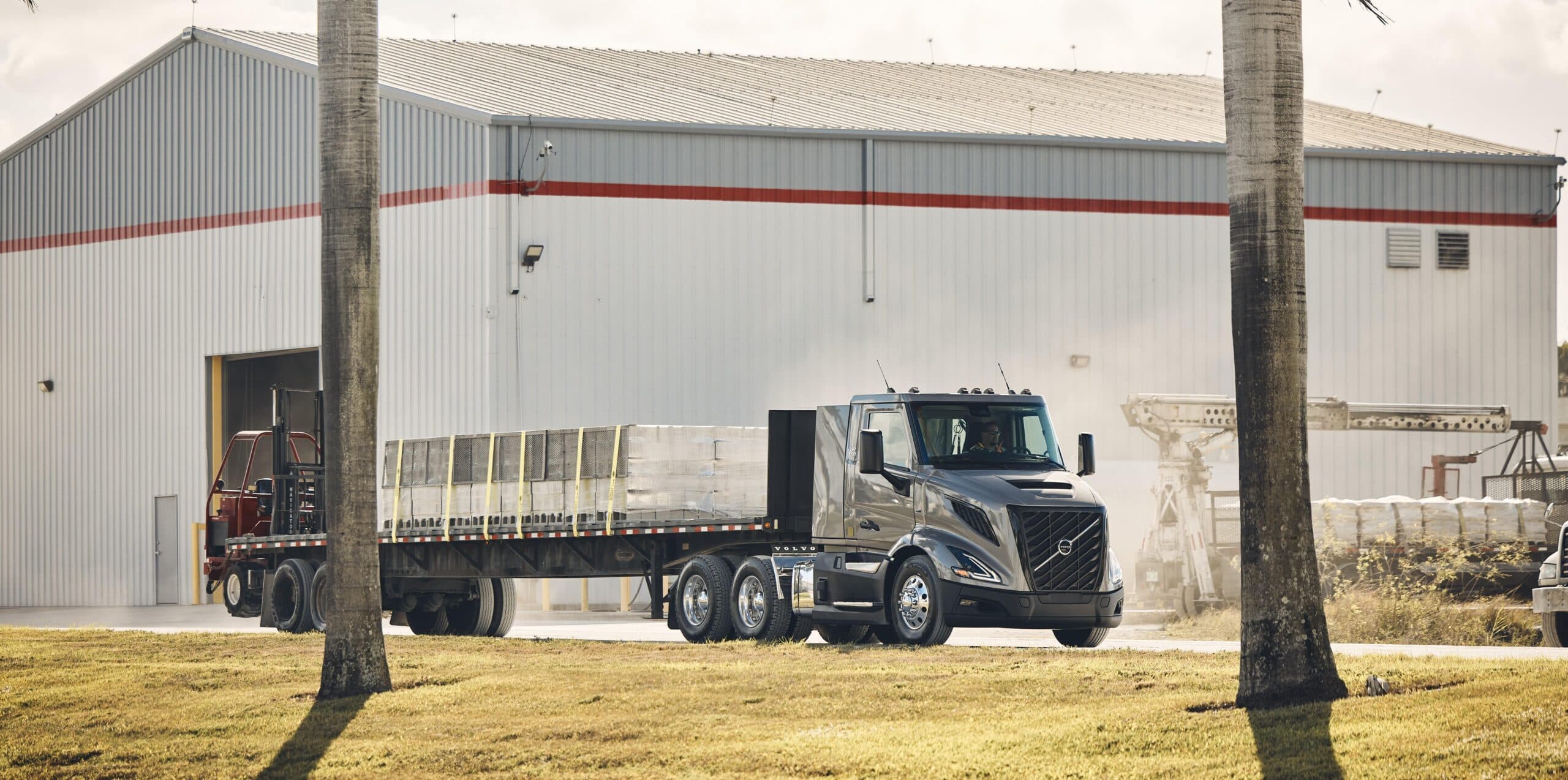
Volvo VNL: One of North America's most sought-after highway tractors. Known for fuel efficiency, aerodynamic design, driver comfort, and advanced safety technology. Used Volvo VNL trucks hold their value and are a strong choice for long-haul applications.
Mack Anthem: A durable, driver-focused truck built for regional and long-haul freight. The Anthem's aerodynamics, visibility, and interior design make it a consistent favorite among fleet operators and owner-operators alike.
Freightliner Cascadia: One of the most common trucks on the road, which means strong parts availability and a large pool of technicians familiar with the platform. A practical choice for fleets prioritizing standardization.
Peterbilt 579 / Kenworth T680: Premium highway tractors with strong fuel economy, driver comfort, and resale value. Popular in both owner-operator and fleet applications.
Maintenance history and condition matter more than brand. A well-maintained truck from any reputable manufacturer will outperform a neglected truck from a preferred brand every time.
Buying Used Semi Trucks for a Fleet
While owner-operators often focus on a single truck purchase, fleet buyers face a different set of challenges. The goal isn't simply finding a good truck—it's finding equipment that fits your fleet strategy, maintenance capabilities, driver preferences, and long-term operating costs.
When evaluating used semi trucks for fleet applications, consider:
Standardization
Operating multiple truck makes, models, and engine platforms can increase maintenance complexity.
Many fleets benefit from standardizing:
- Truck models
- Engine platforms
- Transmission types
- Safety systems
- Parts inventories
Standardization can simplify maintenance, technician training, and driver onboarding.
Lifecycle Planning
A used truck purchase should fit into your broader replacement strategy.
- How long will this truck remain in service?
- What mileage target triggers replacement?
- Will this truck eventually become a backup unit?
- What resale value can be expected?
Driver Satisfaction
Features that drivers often value include:
- Comfortable seating
- Sleeper amenities
- Advanced safety systems
- Quiet cabs
- Automated manual transmissions (AMTs)
The cheapest truck isn't always the most cost-effective if drivers prefer other equipment.
Legal Requirements Before Buying a Semi Truck
Before completing a purchase, make sure you have the necessary documentation in place.
Commercial Driver's License (CDL)
Most buyers operating Class 8 trucks will need a valid Class A CDL.
If you're purchasing equipment for fleet operations, ensure drivers meet applicable licensing requirements before placing equipment into service.
Insurance Requirements
Many lenders require proof of insurance before funding a purchase.
Depending on your operation, coverage may include:
- Liability
- Physical damage
- Cargo coverage
- Occupational accident coverage
Insurance providers typically require:
- VIN
- Make and model
- Year
- Intended use
Obtaining insurance quotes early can help prevent delays during the purchase process.
If you're evaluating coverage options, TEC Equipment - Insurance can help owner-operators and fleets explore commercial truck insurance solutions tailored to their operation. Working with a provider that understands the trucking industry can help simplify the process and ensure your coverage aligns with your business needs.
Financial Documentation
If financing is involved, lenders may request:
- Tax returns
- Bank statements
- Profit and loss statements
- Business documentation
- Credit history
- Driver records
Having these documents prepared ahead of time can significantly accelerate the approval process.
What to Look for When Buying a Used Semi Truck
Once you've identified a truck that meets your operational requirements, it's time for a detailed inspection. A systematic inspection process helps identify potential issues before they become expensive problems.
Review the Service History First
Before opening the hood, review available documentation.
- Scheduled maintenance
- Oil changes
- Cooling system service
- Brake maintenance
- Transmission service
- Major repairs
A truck with a strong maintenance history often represents a better investment than a lower-mileage truck with poor documentation. Maintenance records frequently reveal how equipment was cared for throughout its life.
Evaluate Age and Mileage
Mileage is important, but it should never be evaluated in isolation. Many fleets begin reviewing replacement strategies between 400,000 and 600,000 miles, though actual service life depends heavily on maintenance practices and operating conditions.
General guidelines include:
Under 300,000 Miles: Typically considered lower-mileage equipment with substantial remaining service life.
300,000–500,000 Miles: Often represents a strong balance between value and remaining life expectancy.
500,000–700,000 Miles: Can still provide excellent service if properly maintained.
700,000+ Miles: Requires careful evaluation of maintenance history and component condition.
Remember: A well-maintained 600,000-mile truck may be a better purchase than a neglected 350,000-mile truck.
Inspect the Truck Before You Buy
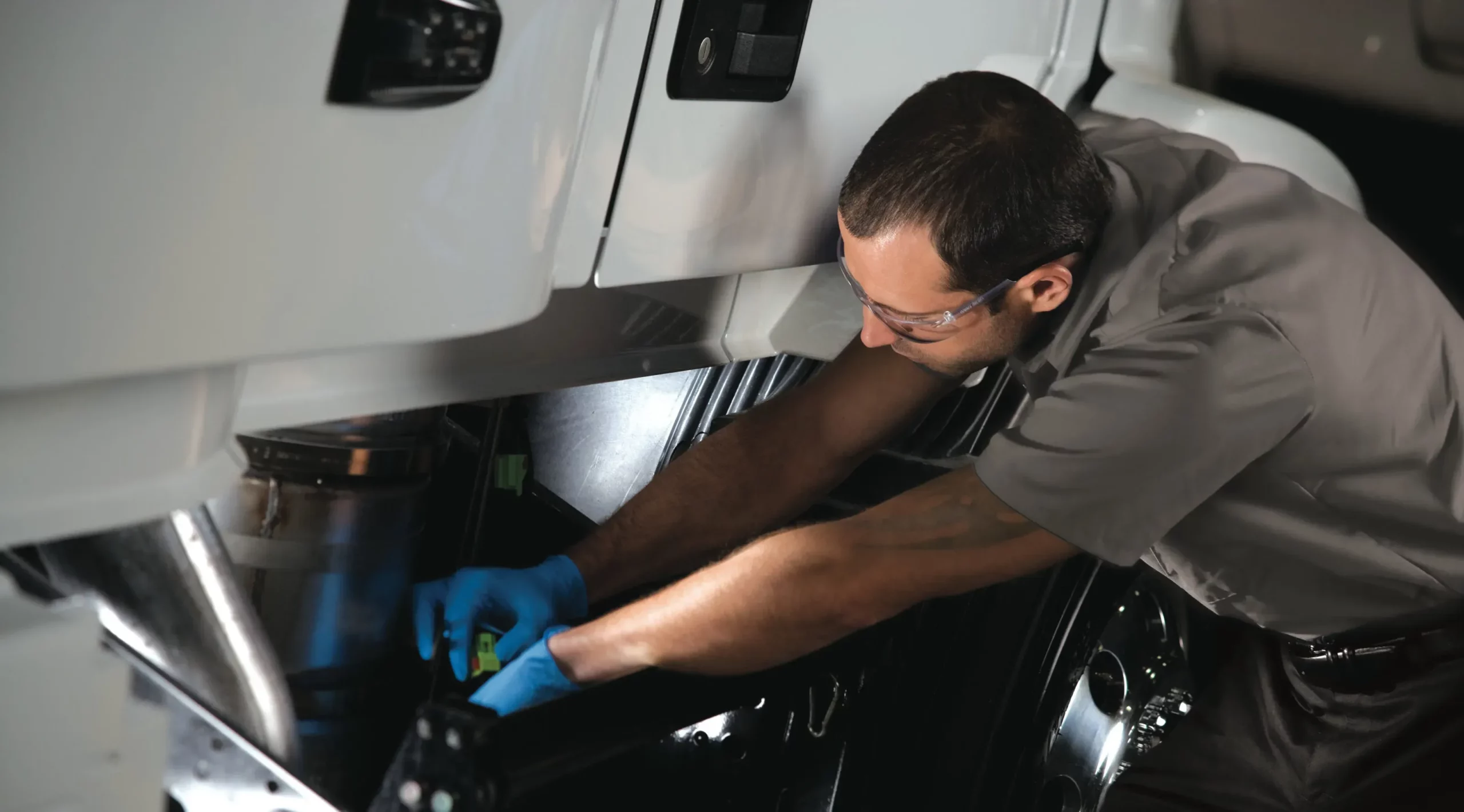
A thorough inspection can help identify potential issues before they become costly repairs.
Engine and Powertrain
Check for leaks, excessive smoke, unusual noises, signs of overheating, and smooth transmission operation.
Frame, Suspension, and Steering
Inspect for rust, cracks, corrosion, suspension wear, and any signs of frame damage or previous repairs.
Brakes and Safety Systems
Verify that the braking system is functioning properly and that all available safety technologies operate as intended.
Tires and Wheels
Look for uneven tread wear, sidewall damage, or other signs that could indicate alignment, steering, or suspension issues.
Cab and Interior
Ensure the seats, controls, electronics, HVAC system, lighting, and sleeper amenities are in good working condition.
Take a Test Drive
A test drive can reveal issues that aren't visible during a stationary inspection. Pay attention to acceleration, shifting, steering response, braking performance, and any unusual vibrations. If a seller refuses a test drive, consider it a potential red flag.
Questions Every Buyer Should Ask
Before completing a purchase, ask:
- What is the complete maintenance history?
- Has the truck been involved in an accident?
- How many previous owners has it had?
- Have major repairs been completed?
- Are there any known issues?
- Can service records be provided?
- Has the truck been inspected?
- Is a test drive available?
Transparent answers often indicate a trustworthy seller.
Frequently Asked Questions About Used Semi Trucks
What is the best used semi truck to buy?
There's no single answer—it depends on your routes, freight type, budget, and operational goals. Popular models include the Volvo VNL, Mack Anthem, Freightliner Cascadia, Peterbilt 579, and Kenworth T680. For most buyers, maintenance history and overall condition matter more than brand preference. A well-maintained truck from any of these manufacturers outperforms a neglected truck every time.
How much does a used semi truck cost?
Used semi trucks typically range from $20,000 on the low end (older, high-mileage equipment) to $100,000 or more for newer, low-mileage trucks with updated technology. The mid-range of $40,000–$75,000 is where most owner-operators and fleets find the best combination of value and remaining service life.
Can I finance a used semi truck?
Yes. Financing is available for most used commercial trucks, though requirements vary by lender. Factors that affect approval and terms include your credit profile, time in business, down payment, and the age of the equipment. Getting pre-qualified before you shop gives you a clear budget and puts you in a stronger position when you find the right truck.
How much should I put down on a used semi truck?
Down payment requirements vary by lender and borrower profile. Some programs are available with lower down payments for qualified buyers; others may require 10–20% or more. Getting pre-qualified before you shop is the most efficient way to understand what's available for your situation.
Is it better to buy a used semi truck from a dealer or private seller?
Private sellers sometimes offer lower purchase prices, but buyers assume more risk—limited records, no warranty, no financing help, and no post-sale support. Dealerships typically provide financing access, pre-sale inspections, service and parts support, and trade-in opportunities. For most buyers—especially first-time truck owners—the dealership relationship delivers more long-term value than a small difference in upfront price.
Are used Volvo VNL trucks reliable?
Yes. The Volvo VNL is one of the most popular long-haul tractors in North America for good reason—fuel efficiency, driver comfort, aerodynamic design, and strong long-term reliability. As with any used truck, maintenance history is the most important variable. A well-documented VNL is one of the strongest used truck purchases available.
Are used Mack Anthem trucks worth buying?
Yes, particularly for regional and long-haul operations. The Anthem is built for durability, offers a driver-focused interior, and provides strong fuel efficiency. A properly maintained Mack Anthem can deliver substantial long-term value across a wide range of applications.
What mileage is too high for a used semi truck?
There's no absolute cutoff. Many trucks with 700,000 or even 800,000 miles continue to perform reliably with strong maintenance histories. The question isn't just how many miles—it's what was done to the truck along the way. Prioritize service records and a thorough inspection over mileage alone.
What should I look for when inspecting a used semi truck?
Focus on service records first, then move to engine and powertrain condition, frame and suspension integrity, brake systems, tire wear patterns, cab condition, and a test drive. Any seller who won't provide records or allow a test drive should be treated with caution.
Do I need a CDL to buy a used semi truck?
You don't need a CDL to purchase a truck, but you do need a valid Class A CDL to operate one on public roads. If you're buying for a fleet, ensure all drivers who will operate the equipment are properly licensed before placing it in service.
Ready to Find the Right Used Semi Truck?
Buying a used semi truck is a major business decision, but the right preparation can help you purchase with confidence. Start by defining your operational requirements, understanding your budget, evaluating ownership costs, and thoroughly inspecting any truck you're considering.