The EPA’s 2027 emissions standards are one of the most significant regulatory changes facing the trucking industry in the next decade. While the rule focuses on reducing nitrogen oxide (NOx) emissions, the real impact will show up in a few key areas:
- Equipment costs
- Truck availability and lead times
- Long-term maintenance and lifecycle planning
Preparation is not optional, and fleets and owner-operators who start planning now will be in a much stronger position when it comes to upgrading equipment, extending lifecycle strategies, or evaluating new technology.
What is EPA 2027 and why it matters
EPA 2027 introduces stricter emissions standards for heavy-duty trucks, targeting a significant reduction in NOx and particulate matter.
- NOx emissions reduced to 0.035 g/bhp-hr
- Up to 90% reduction vs. current standards
- Applies to light-, medium-, and heavy-duty vehicles
- Separate from Greenhouse Gas (GHG) Phase 3 regulations
While the environmental goal is clear, fleets should focus on what this means operationally: new engine platforms, increased system complexity, and potential cost increases.
What’s changing for fleets and owner-operators
These regulations will shift how trucks are spec’d, purchased, and maintained, whether you are managing a fleet or running your own truck. Expect more sophisticated aftertreatment systems, which may impact:
- Maintenance intervals
- Diagnostic complexity
- Technician training requirements
Potential cost increases
Historically, new emissions standards have increased upfront equipment costs. EPA 2027 is expected to follow that trend due to:
- New emissions technology typically increases upfront cost
- Additional components and engineering drive higher build complexity
- This can have a bigger impact on owner-operators managing cash flow and financing decisions
Longer useful life requirements
The EPA is expected to adjust useful life provisions, meaning engines must meet emissions standards over a longer period, which will impact lifecycle planning. This may benefit both fleets and owner-operators by supporting longer equipment lifecycles and helping maximize return on investment when trucks are properly maintained.
Will EPA 2027 change or be delayed?
Short answer: No major delay expected. While there has been regulatory movement around Greenhouse Gas rules, the EPA has confirmed that NOx standards remain intact. Fleets should plan with confidence that:
- 2027 implementation is still on track
- OEMs will release compliant engines
- Additional rule updates (warranty/useful life) are likely in 2026
How EPA 2027 will impact truck availability in 2026
This is where fleets can gain a competitive edge. Historically, major emissions changes create a “pre-buy” cycle, where fleets accelerate purchases ahead of new regulations.
- Increased demand in 2026
- Potential production constraints
- Longer lead times on new trucks
For buyers, this means timing matters. Waiting too long could limit spec flexibility or delivery windows. Take a look at current new and used inventory to understand availability before demand starts to rise.
How to prepare for EPA 2027
1. Evaluate your 2026–2027 replacement plan
- Aging units
- Maintenance cost trends
- Utilization rates
Locking in a strategy early helps avoid reactive purchasing.
2. Plan for cost shifts
Even without exact pricing, fleets should:
- Budget for potential increases
- Compare total cost of ownership (TCO) scenarios
- Evaluate lease vs. purchase options
If leasing is part of your strategy, review and related solutions to maintain flexibility.
3. Align service and maintenance strategy
New emissions systems may require:
- More frequent diagnostics
- Specialized service capabilities
- Strong dealer support
Our service network supports fleets with preventive maintenance programs designed to minimize downtime.
4. Stay informed on regulatory updates
The EPA is expected to release additional guidance, including:
- Warranty changes
- Useful life adjustments
- Monitoring updates ensures your specs and purchasing decisions stay aligned.
What OEMs are doing to prepare
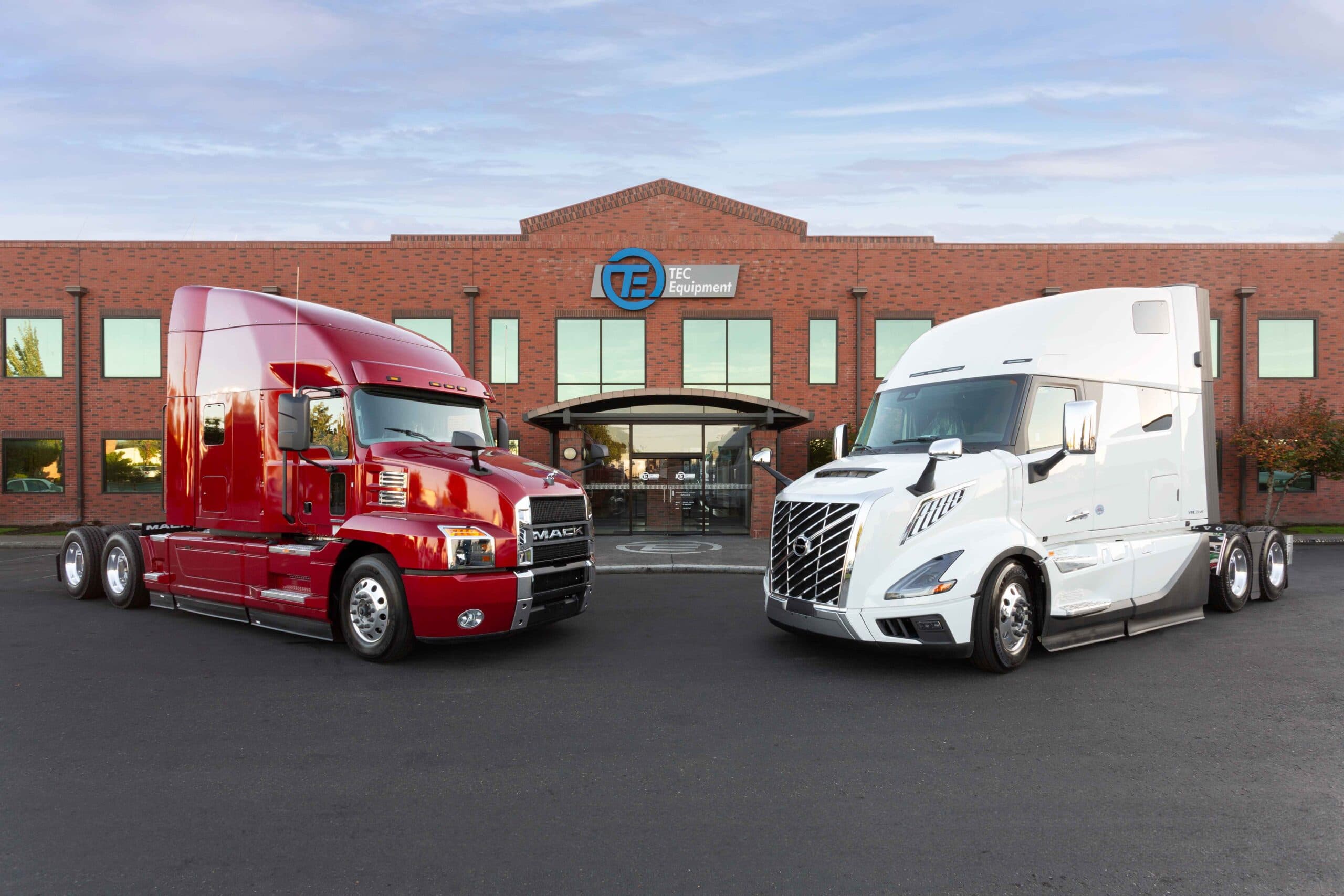
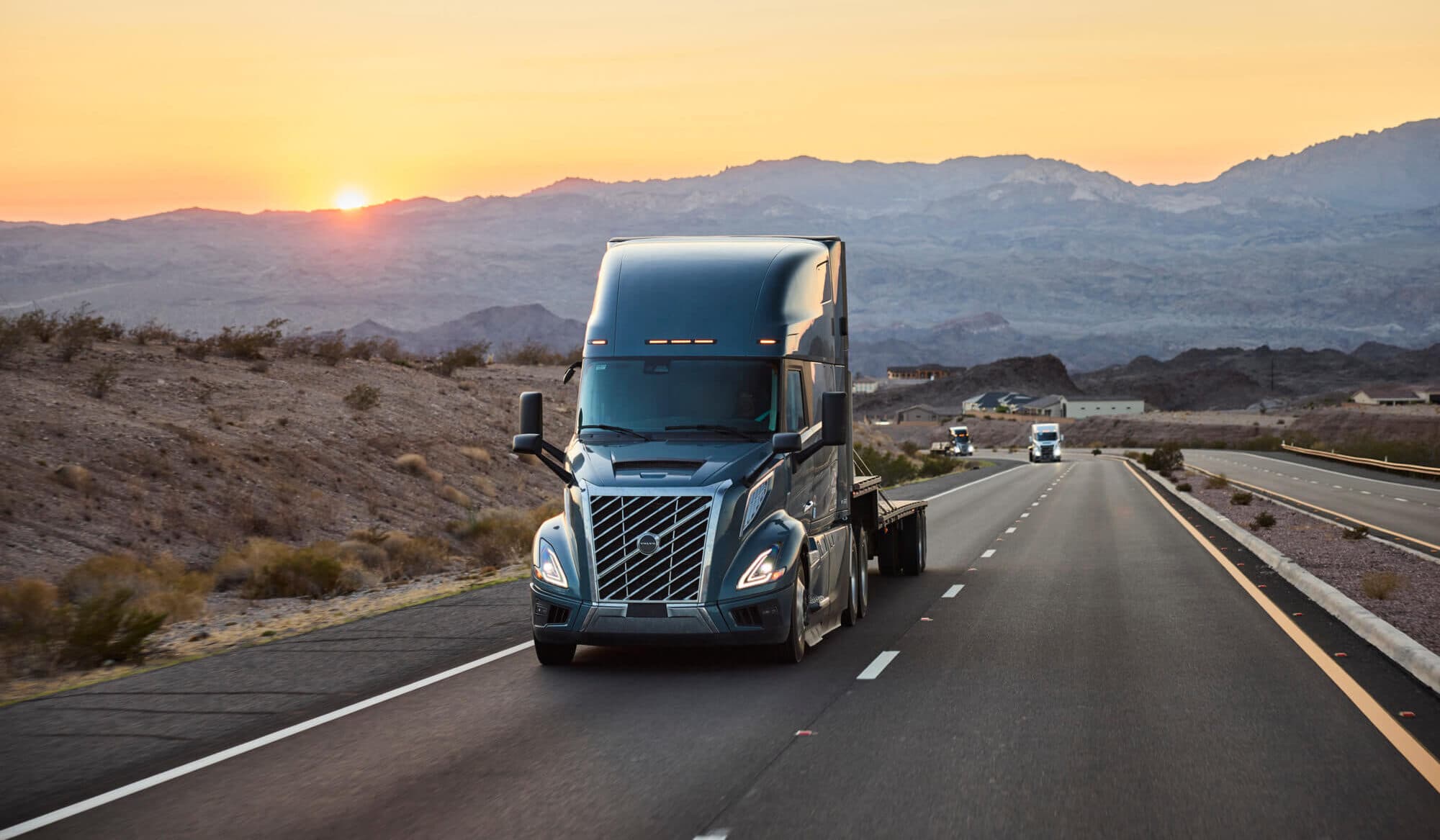
Manufacturers like Volvo and Mack are developing next-generation powertrains designed to balance:
- Emissions compliance
- Fuel efficiency
- Performance
More details will emerge through 2026, but these changes are expected to build on current platforms, so fleets should not expect major changes to drivability or performance.
Why working with the right dealer matters
EPA 2027 directly impacts both equipment decisions and overall fleet operations, which makes working with a full-service partner critical. TEC can help you:
- Navigate ordering timelines
- Optimize truck specs
- Plan maintenance and lifecycle costs
- Access inventory across multiple regions
TEC Equipment supports fleets across California, Oregon, Washington, Nevada, Arizona, Nebraska, and South Dakota with sales, leasing, parts, and service under one roof.
Plan ahead to stay ahead
EPA 2027 is coming and fleets that prepare early will have more control over cost, availability, and uptime. Whether you’re planning a pre-buy strategy or evaluating next-generation equipment, now is the time to align your fleet plan. Explore available trucks or connect with our team to plan your 2026–2027 strategy.