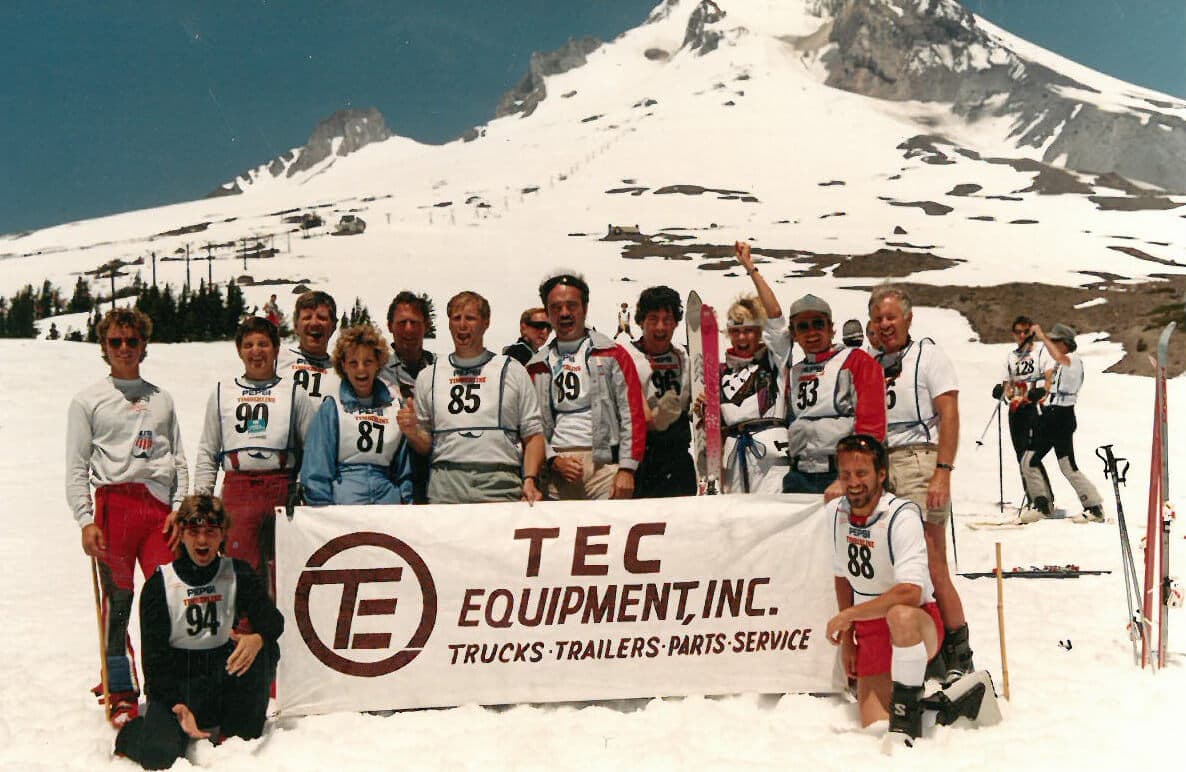
David A. Thompson’s story begins in Syracuse, New York, where he grew up as the oldest of three children. From an early age, being the oldest meant setting the example – and, as it turned out, learning resilience sooner than most. During his sophomore year of high school, life changed in an instant. His father passed away unexpectedly, and the Thompson family found themselves facing an uncertain future. His mother, who had devoted her life to caring for her family at home, stepped into the workforce as a secretary. David and his two siblings followed suit, each taking on jobs to help keep the household running.
Amid those challenges, David discovered something about himself: he could fix almost anything. He had a natural instinct for understanding how things worked. And while becoming a mechanic was a practical way to earn money, and something he did well, he sensed it wasn’t the whole story of his future.
He set his sights on college, enrolling in the only school that accepted his application – Parsons College in Iowa. With characteristic resolve, David packed up and headed west, ready to see where opportunity might lead.
David found himself as a full-time college student in Iowa, driving a semi-truck nights and weekends to pay his way through school – learning early what it meant to earn a living one mile at a time. Trucking wasn’t romantic work. It was disciplined. Demanding. It required reliability and rewarded grit. It exposed him to the kind of people who would later become his customers – independent, practical, and unimpressed by talk.
His college surroundings also exposed him to a world with bigger possibilities than he’d known growing up. His path crossed with the Calhoun/ Deere family. Yes, that Deere family. “I’d never been around wealth before and seeing it up close made me realize that I wanted a bigger life. I just wasn’t sure how I was going to make it happen.”
Where It Started: A Truck, a Loan, and a Handshake
HOW A $19,000 “CHARACTER LOAN” HELPED LAUNCH TEC EQUIPMENT
In 1976, David Thompson wasn’t setting out to build one of the largest full-service truck and trailer dealership groups in the United States. He was simply trying “to not be broke.”
He’d just been honorably discharged from the Army after serving a tour and a half in Vietnam. Midwest Coast Transport hired David, relocating him to Portland, OR, where he would continue to work only briefly. That’s when he began working for Peter Stott of Market Express in Portland. After nine months, David had saved enough to buy two trucks of his own. It was a transitional period, the kind where you’re working hard but not yet certain of what you’re building. What he was building, though he didn’t yet realize it, was trust.
During his early time in Portland, David became fast friends with Fred Jubitz. Through his friendship with Fred, David grew close to the Jubitz family, well-known in the Portland trucking community for their family business – the Jubitz Truck Stop. In September of 1977, Fred’s dad, Monroe Jubitz, loaned David $19,000 in $100 bills to start a business selling used trucks.
That loan was not backed by a long track record, a polished business plan, or any collateral other than David’s signature – what Mr. Jubitz called a “character loan.”
Soon, David’s small operation selling those used trucks out of the Jubitz Truck Stop parking lot began to feel less temporary and more like the start of something real. It quickly outgrew its borrowed space. Monroe happened to own six acres down the road on Gertz Road, and proposed to David to buy some of the land to start a “proper dealership.” David said he could only afford maybe one acre – Monroe refused.
“You can’t operate off one acre,” he told him. “You need two and a half.”
David explained he didn’t have the money for that. Despite his lack of funds, Monroe handed him the deed anyway.
He walked David into U.S. Bank and declared the land free and clear. “Use it as collateral. Get a building up. Start your company. We can work out repayment in the future.”
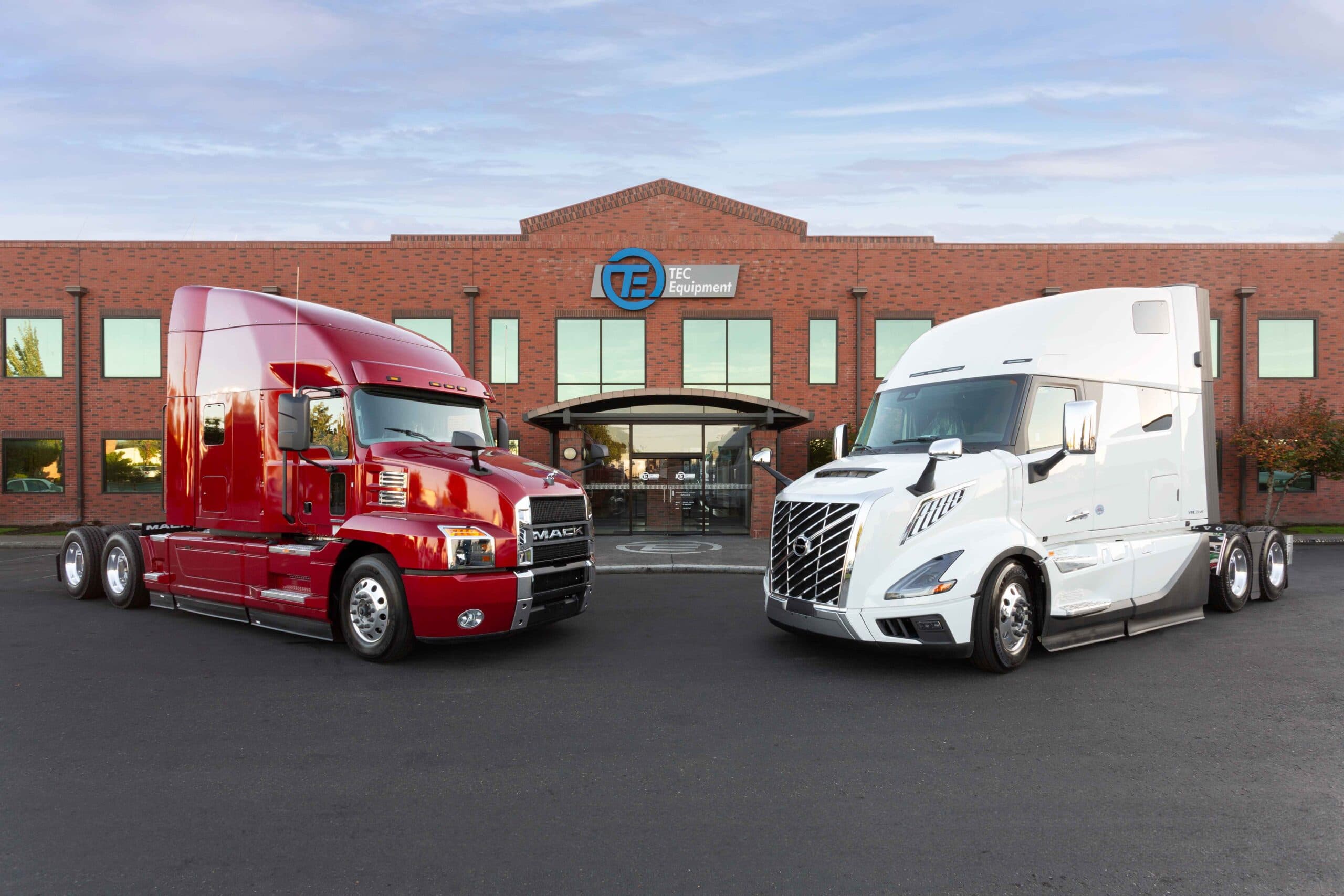
It was an extraordinary act of faith – one that David has never forgotten. The lesson embedded in that moment would echo throughout the next fifty years: when someone believes in you, you find a way to honor that belief. By early 1979 the building was complete and the Gertz Road property became the physical foundation of Thompson Equipment Company (what would later become TEC Equipment).