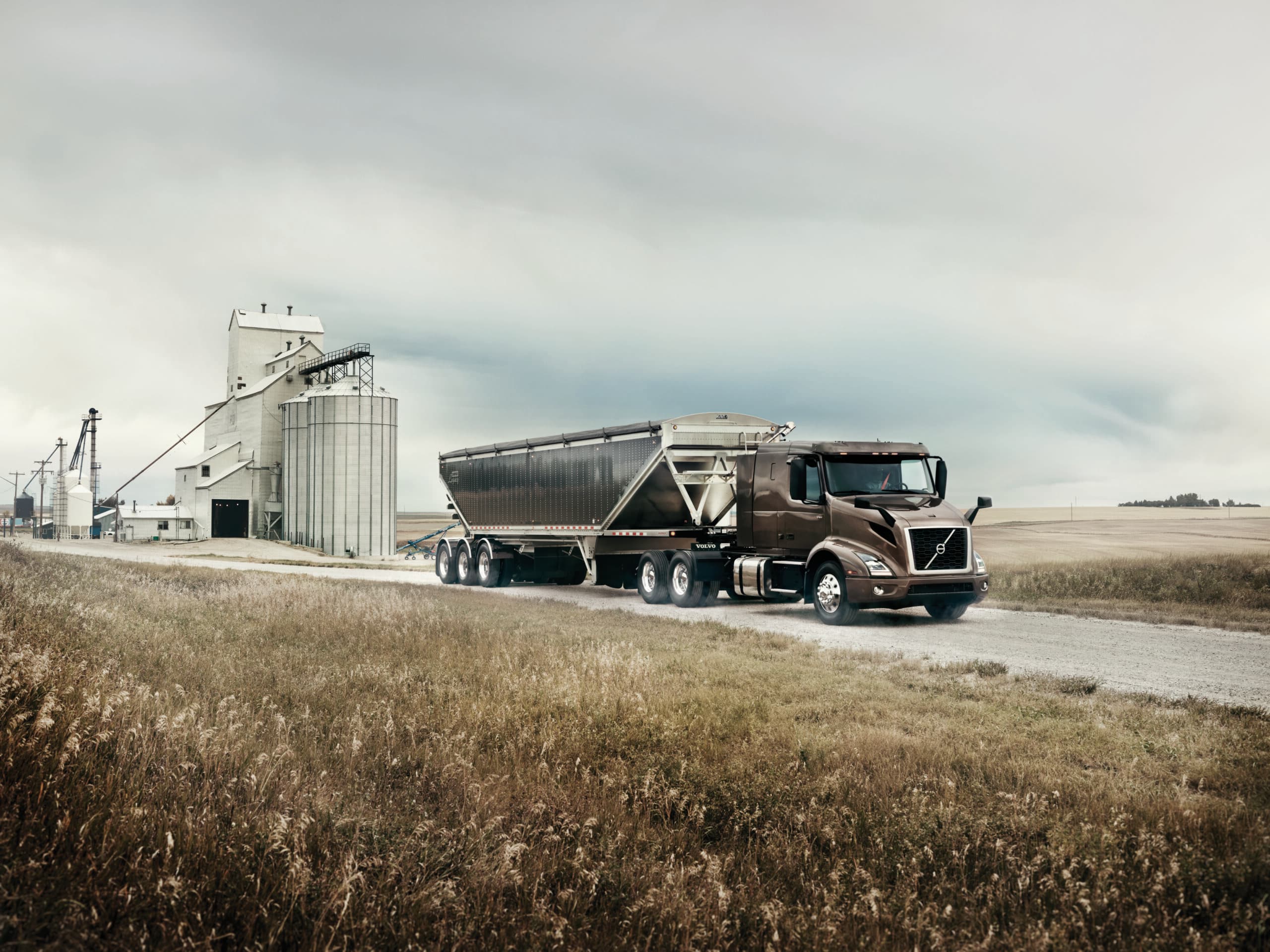
Fuel isn’t just another expense. It’s one of the biggest costs you deal with every day. A $0.50 increase in diesel can cost around $9,600 to $10,000 per year for a truck running 120,000 miles, depending on fuel economy. The good news is you don’t need to overhaul your whole operation to see savings. A few smart changes in how your trucks are spec’d, driven, and maintained can make a real difference. Here are some proven ways to cut fuel costs without slowing your operation down.
How to Reduce Fuel Costs for Semi Trucks
1. Clean Up Your Aerodynamics
Once you’re up to highway speed, air resistance is what’s working against you.
- Run side skirts, fairings, and trailer tails
- Close up that tractor-to-trailer gap as much as you can
- Spec trucks built for enhanced airflow like the Volvo VNL or Mack Pioneer
The less wind you’re fighting, the less fuel you’re burning. Simple as that.
2. Slow Down a Little. It Adds Up
Speed is one of the biggest fuel killers out there.
- Dropping 1 mph can improve fuel economy by about 1 percent
- Running 70+ mph burns a lot more fuel than most realize
- Sweet spot for most fleets is around 62 to 65 mph
- Don’t set schedules so tight that drivers have to push it
Running a little slower might not feel like a big difference in savings, but over a year it can really add up.
3. Let the Truck Do Some of the Work
Newer trucks are built to help you save fuel if you use the features.
- Turn on economy mode
- Use cruise control whenever it makes sense
- Let predictive cruise handle hills and terrain
- Cut down on hard acceleration and braking
These systems are there to save fuel. Use them.
4. Make Sure Your Truck Is Spec’d Right
Fuel economy starts with how the truck is built.
- Downsped engines keep RPMs lower on the highway
- Automated transmissions shift more efficiently than most drivers
- Make sure your truck is spec’d for the type of work you’re doing
If your truck isn’t spec’d for your application, you’re probably burning more fuel than you need to. Learn more here about keeping your truck dialed in.
5. Cut Down on Idle Time
Every hour of idling is fuel you didn’t need to burn
- A truck can burn close to a gallon per hour just sitting
- Shut it down when you don’t need it running
- Use idle shutdown or APU systems if you’ve got them
This one is low effort and high impact.
6. Watch Your RPM and Trailer Gap
Small adjustments here can make a difference over time.
- Keep RPMs in the efficient range
- Tighten up trailer gap when possible
- Make sure gearing matches your routes
Nothing fancy here. Just dialing things in.
7. Stay on Top of Maintenance
If your truck isn’t running right, it’s going to burn more fuel.
- Keep tires aired up and aligned
- Swap dirty air filters
- Stay ahead of engine issues
- Stick to a maintenance schedule
When It Makes Sense to Upgrade Your Truck
At some point, your truck starts costing you more than it should.
Signs it might be time to upgrade:
- Fuel mileage keeps dropping, even after maintenance
- Repair costs and downtime are increasing
- The truck is running higher RPM than it should
- Fuel costs are higher than similar trucks
When upgrading makes the most sense:
- High-mileage or long-haul trucks
- Units that are out of warranty
- Trucks not spec’d for the work they’re doing
Newer trucks are built to run more efficiently, with better aerodynamics and powertrains that help reduce fuel costs. Browse available inventory.
The Right Equipment and Support Makes the Difference
Fuel is always going to be one of your biggest costs. The difference comes down to how well your trucks are set up and how they’re running day to day. Small changes in speed, maintenance, and setup can add up to real savings. And when you need more than small changes, having the right support behind you makes a difference.
At TEC Equipment, we can help you:
- Find more fuel-efficient trucks from one of the largest inventories nationwide
- Keep your current trucks running right with full-service support (service link)
- Get the parts you need to stay on the road and operating efficiently (parts link)
- Work with a team that understands how your trucks are used and what actually impacts fuel costs
Whether you’re dialing in your current fleet or looking to upgrade, we’ll help you make the right call for your operation.
FAQs: Fuel Costs and Efficiency in Trucking
How many miles per gallon does a semi truck get?
Most semi trucks average between 6 to 8 miles per gallon, depending on load, terrain, and driving habits.
- Heavier loads reduce MPG
- Highway driving improves efficiency
- Driver behavior plays a major role
How much does fuel cost per mile for a semi truck?
Fuel cost per mile typically ranges from $0.70 to $1.00 depending on MPG and diesel prices.
- Based on 6 to 8 MPG
- Changes with fuel prices
- One of the biggest operating costs in trucking
What MPG should a semi truck be getting?
Most modern semi trucks should be getting closer to 7 to 8 MPG under normal highway conditions.
- Lower MPG may point to maintenance or setup issues
- Driving habits and speed impact results
- Truck specs play a big role in efficiency
Do automatic trucks get better fuel mileage than manual?
Yes, automated manual transmissions often improve fuel efficiency by optimizing shift timing.
- Keeps the engine in a more efficient RPM range
- Reduces inconsistent shifting
- Helps standardize performance across drivers
Is it cheaper to upgrade a semi truck or keep running an older one?
It depends, but older trucks often cost more over time due to lower fuel efficiency and higher maintenance.
- Newer trucks typically burn less fuel
- Older trucks usually have more downtime
- Fuel savings can help offset upgrade costs
How do fleets track and improve fuel performance?
Fleets improve fuel performance by tracking MPG, standardizing driver behavior, and staying on top of maintenance.
- Use telematics and fuel tracking tools
- Set speed and idle policies
- Monitor performance across drivers and routes